The Information Search Process
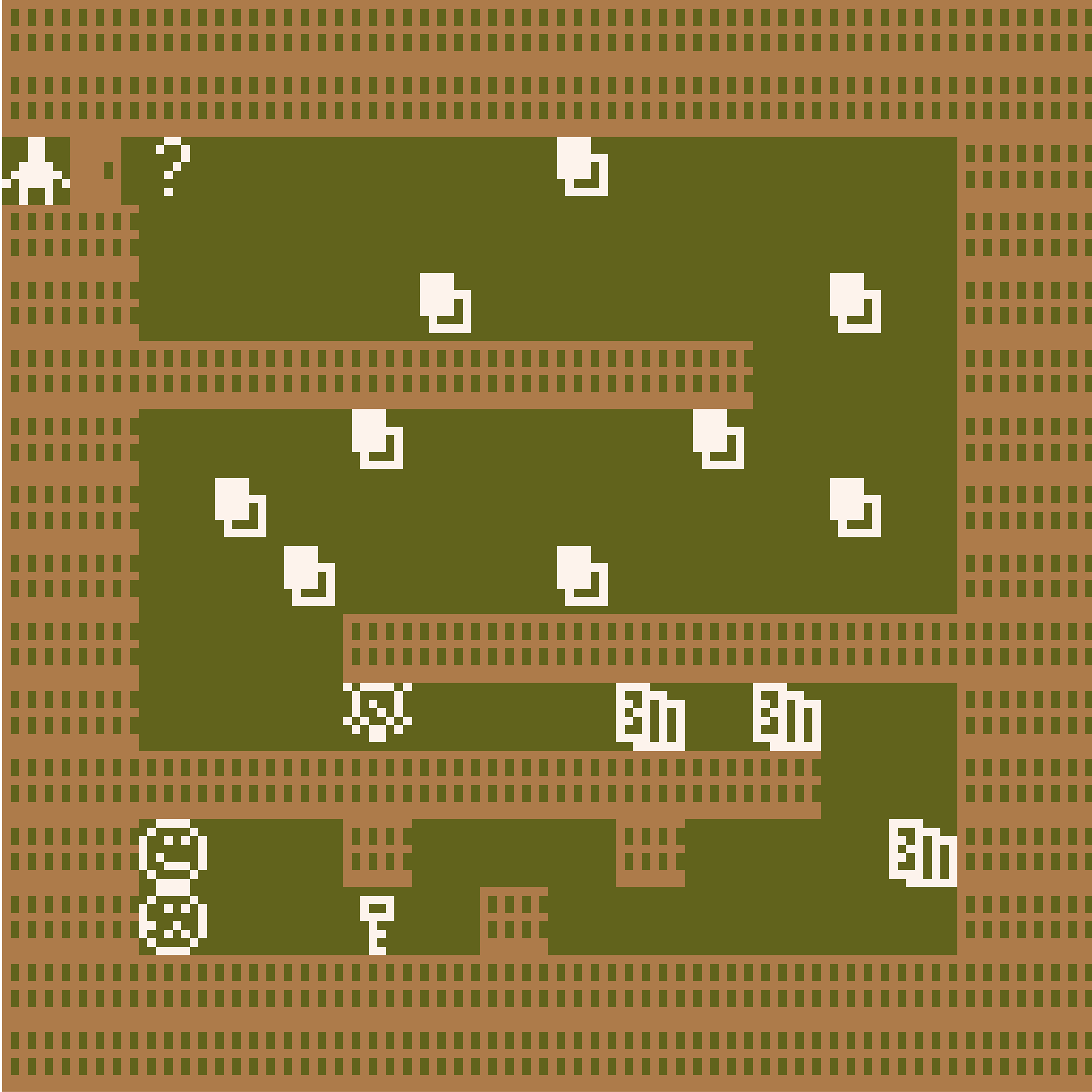
A short library game outlining Carol Kuhlthau's Information Search Process model (1988)
Kuhlthau conducted the study with some AP high school students through journaling and examined their feelings thoughts and actions through searching. This got the students to engage in metacognition, which is monitoring what you’re doing
The model, representing the user’s sense-making process of information seeking incorporates:
- Physical
- Actual actions taken
- Affective
- Feelings experienced, attitude, stance, and motivation
- Cognitive
- Thoughts concerning both process and content
Information seeking can be guided by any of these things
The ISP cosists of six stages:
- Initiation
- When the searcher becomes aware of a lack of knowledge or understanding
- Feelings of uncertainty
- Contemplating the problem, comprehending the task
- Actions – discussing possible topics and approaches
2. Selection
- Identifying and selecting the general topic and approach to be pursued
- Feelings of uncertainty give way to optimism after selection is made and there is readiness to begin the search
- Thoughts are on weighing prospective topics against the criteria of personal interest, assignment requirements, other factors
- Actions – conferring with others, maybe preliminary search and skim and overview of alternative topics, selection can be delayed and feelings of anxiety are likely to be delayed until a choice is made
3. Exploration
- Feelings of confusion, doubt
- Investigating information on the general topic in order to extend personal understanding
- Thoughts center on becoming oriented, inability to express precisely what information is needed makes communication between the user and systems awkward
- Actions: locating information ab the general topic, reading to become informed, relating information to what is already known
4. Formulation: Turning point of the Information Search Process
- Uncertainty diminishes, confidence increases
- Focus is formed from the information encountered, topic becomes more personalized
5. Collection: when interactions and the information system function most efficiently
- Task shifts to gathering information, thoughts center on defining, extending, and supporting the focus
- Actions: select information relevant to the focused perspective, making detailed notes, and can specify their needs
- Confidence increases
6. Presentation: Relief, satisfaction if it has gone well and disappointment if not
- Outlining, preparation, etc.
Within the bibliographic paradigm, the message communicated by the information system is that the user’s task is to gather and to complete regardless of the state of the problem, with no recognition of the different problem states
In conclusion – the search process is not only the actions, but a sequence of thoughts and feelings. Students are mostly unaware of this process and its pattern, and awareness of this allows librarians to offer interventions that match the information need at a point in the search.
Co-designed in ten minutes (!) with my group-mates, Abby B., Anjali, Ronan, and Sonja, for INF1325 with instructor Jenna Hartel at the University of Toronto.
Leave a comment
Log in with itch.io to leave a comment.